


Home Cat Questions Dog Questions Articles Links About Us

What You Need to Know About Your Pet's Food

Nutrition is the foundation of good health for people and the same is true for our animal companions.  Diet is the most important component of your pet’s health care.  The best diet for your dog or cat is not dissimilar to the best diet for you – it consists of a variety of whole foods, and when necessary, is enhanced with vitamins and minerals, enzymes and supplements to promote optimal health, prevent disease or to address health issues. 

Our animal companions are natural hunters and carnivores; just look at their ancestry.  The dog at your feet (or on your sofa) has evolved from the wolf, and its digestive system is virtually the same despite thousands of years of domestication.  They have very short intestinal tracts geared to the consumption and digestion of raw foods.  The cat on your lap is a true carnivore (meat only diet) and is specially designed by nature to hunt small rodents and birds.  Her digestive tract, as well, is intended to assimilate raw meat best.

Commercially prepared kibble has become the standard diet for most pets in our culture.  It is relatively cheap and quite convenient.  Knowledgeable guardians and many veterinarians, however, are becoming increasingly aware of the true nutritional needs of companion animals and are taking a proactive approach to nutrition by choosing quality of ingredients and carefully controlled preparation over cost and convenience.  For most dogs and cats, a home-prepared raw food diet is best.  This is not always feasible, however, so we will outline below what to look for in commercial pet foods.  Whatever food you choose to offer your pet, putting some thought into your decision now can produce big rewards over his or her lifetime and very probably help him/her avoid serious, painful and costly illnesses caused by poor nutrition and feeding practices. 

For information about feeding a properly balanced home-prepared diet, please see our book selection for guidance.  Many of us would like to feed our pets the highest quality foods such as those a home-prepared diet can provide, but we do not have the time in our busy lives to devote to researching recipes and preparing our pets’ food.  Commercially prepared frozen raw food is the next best thing to home-prepared.  For those who desire the convenience of ready to serve food, there are many high quality commercial dry, dehydrated, and freeze dried foods available.

Why Raw Food?

As mentioned previously, dogs and cats have digestive systems that are designed to most easily digest and derive the greatest amount of nutrients from raw meat.  Ideally, our companions would eat an all raw diet that includes some viscera and bones.  Generally, the more raw food you can include in your companions diet, the better – but some is better than none.  Some guardians choose to feed their companions a ½ raw and ½ dry (dehydrated or kibble) diet; either mixing the two or feeding raw for one meal each day and dry or cooked for the other.  It does not have to be complicated – you can feed raw chicken and turkey necks and chicken backs as part or all of a meal several times a week.  Raw poultry bones do not splinter, they crunch.  This is a great way to clean teeth, exercise chewing muscles, and provide a natural source of balanced calcium and phosphorus, as well.  As always, naturally raised, hormone and antibiotic free or organic meat is best. 

Raw food diets have been repeatedly shown to help the body deal with many common ailments such as flea infestations, hot spots, continual shedding, poor dental & gum health, allergies, gastro-intestinal problems, immune disorders and degenerative diseases. 

Raw diets have been common practice in European countries for decades, especially Germany, where it is commonly recommended by veterinarians.  The fear of feeding raw meat in this country seems to stem from a fear of salmonella, e. coli and parasites.  In over 10 years of feeding raw food and seeing countless animals on raw food diets, we have yet to see a single case of salmonella or e. coli in a dog or cat.  (Remember, their digestive systems are designed to accommodate raw meat.)  Parasites could be contracted through eating wild, whole prey or game meats, but is much less likely from properly handled human grade meats.  Infection is more likely to occur through ingestion of feces or soil, or poorly handled meat. 

The actual research sited in the US in support of a raw diet is rather convincing.   A long term study conducted by Francis M. Pottenger, Jr., M.D. between 1932 to 1942 was initiated a bit by accident.  Dr. Pottenger kept cats as laboratory animals for experiments in human health. As his research and cat population grew, he resorted to feeding them raw meat scraps from a local packing plant instead of cooked kitchen leftovers.  Within a few months, he noticed distinct improvements in the cats eating raw meat.  This prompted Dr. Pottenger to undertake a whole new experiment: he segregated cats into different groups - some of which were fed a cooked meat diet and others who received a raw meat diet. All observations were noted in great detail over many generations of cats. At the end of the study Dr. Pottenger concluded that cats fed a heat processed diet were deficient and suffered from innumerable ailments ranging from low immunity, irritability, and allergies; to skeletal deformation, organ malfunction, poor development during kittenhood, low birth rate, birth defects, infertility, and shortened life-span.  (If you wish to learn more about the Pottenger study, you can purchase a summary of the study as book or video from the Price-Pottenger Nutrition Foundation.)

Obvious precautions should be taken when feeding raw meat – wash hands thoroughly after handling the raw meat.  Thaw meat in the refrigerator, not sitting on the counter at room temperature.  Warm water can be used to thaw or warm the food after it has been mostly thawed in the refrigerator.  Do not microwave raw food as the live enzymes are damaged and bones will harden even in just 30 seconds of microwaving.  We do recommend avoiding pork as it has been shown to be a source of Trichinella. 

Some exceptions to “raw is better” are the older, weaker animal who may not tolerate raw food, or animals with certain gastro-intestinal problems where the gut has to be restored to a healthier state using herbs and/or supplements.  In these cases, a home prepared, cooked diet is best.

Transitioning to Raw

It is best to introduce raw food slowly into your companion’s diet over the course of two weeks.  Consider transitioning fully to raw in the beginning even if you ultimately intend to feed a mix of raw and cooked or dry.  This will give your companion’s digestive system the optimal environment for generating healthy enzymes and flora. Start with 1 teaspoon for small dogs and cats and 1 tablespoon for larger dogs for three days or so.  Then increase to 2 teaspoons or tablespoons for several days, decreasing the amount of regular food by ¼ to ½ in general proportion to the raw.  Work up to replacing at least ½ the normal diet for several days.  Finally replace one full meal with raw for a day or two, then fully transition to raw.

We recommend supplementing with enzymes and probiotics for the first two weeks to help your companion’s natural digestive processes kick back in after eating cooked foods for so long.  If your animal is resistant to the raw at first, you may want to use a bit of canned food to entice them.  Cats, in particular, can be resistant to a change in diet.  They tend to fixate on whatever food they are weaned onto and will resist switching to a healthier diet.  We have found that grinding or shredding their favorite treat on top of the food can help.  Halo's Liv-a-Little's or Whole Life pet treats work well for this.  Cats will most likely take some persistence on your part, but it is well worth it for the health of your companion.

Know your Kibble

If you choose to feed kibble as part of your companion’s diet, we hope you will consider the source carefully.  Become a label reader: the ingredients are not always what you might think.  Many consumers are not aware that the pet food industry is an extension of the human food and agriculture industries.  Pet food provides a market for slaughterhouse offal, grains considered "unfit for human consumption," and similar waste products to be turned into profit. This waste can include intestines, udders, esophagi, and possibly diseased and cancerous animal parts.

For instance, meat and poultry meals, by-product meals, and meat-and-bone meal are common ingredients in pet foods. The term "meal" means that these materials are not used fresh, but have been heated at extremely high temperatures.  The fat rises to the top and is skimmed off.  This fat is frequently sprayed back on kibble products to improve palatability.  The remaining solids are then pressed to remove the residual liquid and we now have “meat and by-product meal”, “poultry meal”, etc.  While the processing of meats and by-products for pet foods can destroy a great deal of the nutrients in the food, it does not necessarily destroy the hormones used to fatten livestock or increase milk production, or drugs such as antibiotics or the barbiturates used to euthanize animals.  This is why foods that use human grade meat sources are the best choice.

Grain sources must be considered, as well.  Along with “meat and bone meals,” grains such as corn and wheat are usually among the first ingredients listed on both dry dog and cat food labels.  Most dry foods use grain products for a large portion of the protein content, but not all protein sources are as readily digested and utilized.  Cats, especially, are carnivores and should derive their protein from meat, not grains.  And, as with the “meat” sources used in these foods, the grains are frequently not whole grain but the by-products of milling and processing grains for other uses.

Look for dry foods and kibble that use human-grade, wholesome ingredients.  While we recommend feeding raw food a minimum of 3-5 times a week, high quality dry foods can be included in your companion’s balanced diet.  When feeding dry foods, be sure to supplement with digestive enzymes and fatty acids.  Top dress with table scraps of leftover meats and vegetables, (Don’t forget to reduce the serving of kibble in proportion to the table scraps.  Overfeeding is a common problem for many companion animals and compounds their risk for poor health and disease).

Rotating Food

A good meal is a pleasurable experience for you, and the same is true for your companion.  However, even a good meal served over and over can become tiresome.  More importantly, though, it is detrimental to both your health and your companion’s to eat the same thing for months or years at every meal.  Consuming the same food repeatedly over long periods of time can contribute to the development of food sensitivities and allergies.  More recently, some veterinarians specializing in feline medicine have stated that inflammatory bowel disease may develop, in part, because of food sensitivities caused by feeding one diet for over a year or two at a time.

We recommend varying your companion’s diet regularly.  If feeding a raw diet, you do not need to “transition” from one type of food to the next.  Animals eating kibble, however, should be transitioned gradually over a week or two from one to the other.

About Puppy & Kitten Food

While most manufacturers of pet food market a particular product for growing animals, we do not think this to be necessarily in your companion’s best interest.  If you’ve read this far you have some understanding that a raw diet is the best diet for dogs and cats.  The same is true for puppies and kittens.  Their dietary needs are fully met by a high-quality diet of all raw food or kibble supplemented with raw meat, table scraps and vegetables.

Consider Supplements

Nothing can replace a wholesome well-balanced diet when it comes to promoting good health for your pet. Proper supplementation however, can make a great diet even healthier. In addition, common problems such as arthritis and "aging changes" such as poor coat and decreased activity don't always improve when diet alone is improved. By identifying specific problems and providing additional nutritional support through supplementation, many such conditions can be helped.  If you are unsure of which supplements are best for your companion, please consider a phone consultation with one of our veterinarians for advice.
 

Click here to return to the Articles page...

What You Need to Know About Your Pet's Food

This article presents an overview of optimal diets for dogs and cats to provide the best in healthy nutrition.  Included is a discussion of raw food diets and commercial foods.

read more...

The Truth About Pet Vaccinations

The question of appropriate vaccinations for dogs and cats has become a hot topic as many veterinarians have begun to question the wisdom of the traditional approach to regular vaccinations.

read more...

Shopping for Natural Pet Supplies?

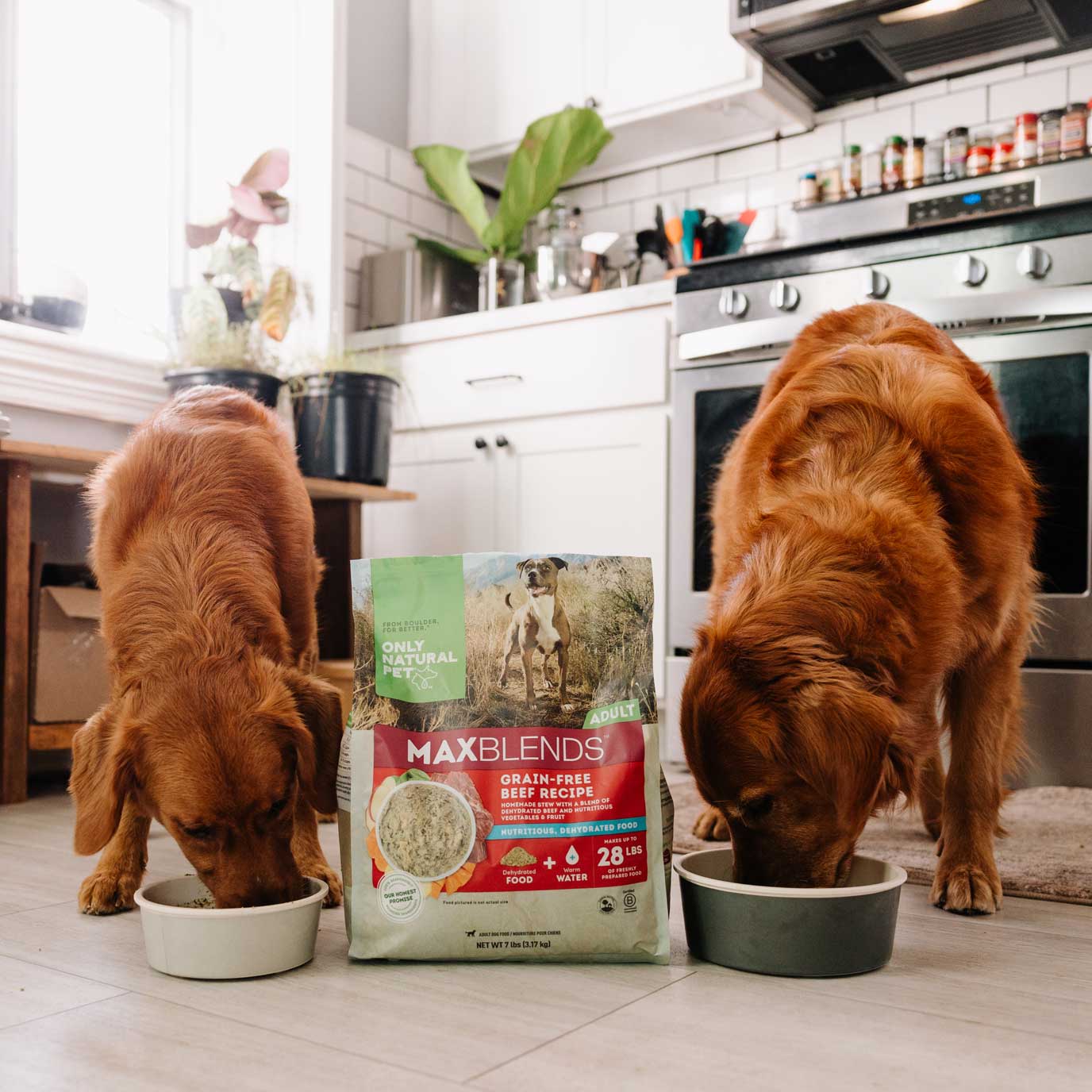
We recommend Only Natural Pet Store, which has a wide selection of food, treats, supplements, herbal remedies, and much more.

read more...

  Add to Favorites
  Print This Page
  Tell A Friend!

Copyright © 2007, Healthy Pet Journal, All Rights Reserved


Home | Cat Questions | Dog Questions | Articles | Links | About Us

Powered by Decisive Web Sites